
The Allure of High-Stakes Gambling
High-stakes casino games captivate players not just through the potential financial rewards but also through a deep psychological allure. The thrill of risking large sums of money can trigger the release of dopamine, a neurotransmitter associated with pleasure and reward. This biochemical response creates an environment of excitement and anticipation, drawing individuals into a high-stakes atmosphere that can be difficult to resist. For those looking for entertainment online, the best new online casinos offer an intriguing alternative, combining the thrill of gambling with the comfort of home.
Moreover, the social setting of casinos often enhances this thrill. Players are surrounded by others who share the same adrenaline-fueled experience, fostering a sense of camaraderie. The noise of spinning wheels and clattering chips adds to the immersive experience, making it easier for individuals to lose themselves in the moment and ignore the potential risks involved.
Risk and Reward: The Psychology of Decision-Making
The decision-making processes involved in high-stakes gambling are fascinating from a psychological perspective. Players often rely on cognitive biases, such as the optimism bias, which leads them to believe they have a greater chance of winning than they actually do. This distorted perception of probabilities can propel them to make more daring bets, driven by the hope of achieving a significant payoff.
Additionally, the concept of loss aversion plays a critical role in how individuals engage with these games. Players may become so focused on recovering losses that they continue to gamble beyond their limits. This behavior underscores a complex relationship where the fear of losing prompts even riskier decisions, highlighting the psychological grip that high-stakes environments can exert on an individual.
The Impact of Casino Design on Behavior
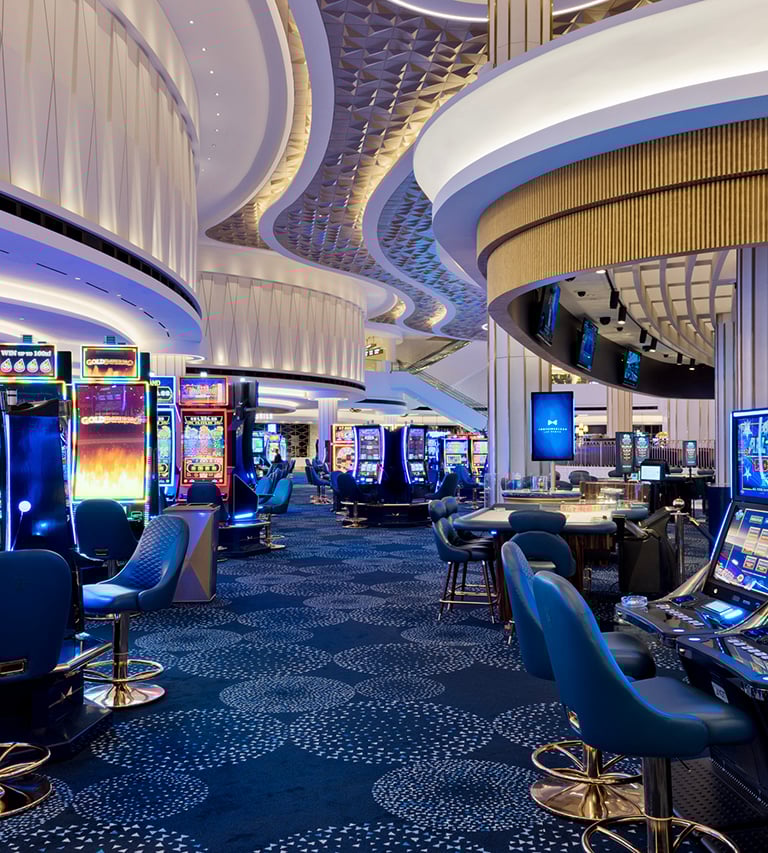
Casinos are designed to be sensory-rich environments that manipulate player behavior. From the layout of the gaming floors to the choice of colors and sounds, every element is strategically selected to enhance the gambling experience. For instance, the lack of windows and clocks creates a timeless atmosphere, encouraging players to stay longer and engage more deeply without the awareness of time passing.
Furthermore, the placement of high-stakes tables often draws attention, creating a sense of prestige around these games. This strategic positioning not only highlights them but also subtly encourages players to aspire to join the ranks of those willing to risk more. The interplay between the physical environment and psychological influences is a deliberate strategy used by casinos to enhance player engagement and betting behavior.
Emotional Responses and Gambling Addiction
Emotional responses play a significant role in high-stakes gambling, often blurring the lines between enjoyment and addiction. Many players experience heightened emotions ranging from exhilaration to despair as they engage in games where fortunes can shift dramatically in moments. This rollercoaster of emotions can make gambling addictive, as the highs of winning are often pursued relentlessly to escape the lows of losing.
Gambling addiction is a serious psychological condition that affects individuals and families alike. The cycle of chasing losses can lead to severe financial, social, and emotional consequences. Understanding the psychology behind these emotional responses is vital for addressing and managing gambling addiction, as it informs the creation of effective intervention strategies and support systems for affected individuals.
The Intersection of Culture and Gambling Psychology
Exploring the psychology of gambling also necessitates an understanding of cultural influences. Different cultures have varying perceptions of gambling, which can affect individual behaviors and attitudes towards high-stakes games. In some societies, gambling is viewed as a form of entertainment, while in others, it may carry significant stigma, influencing how players approach risk and reward.
Cultural contexts shape not only the individual’s motivation to engage in high-stakes gambling but also the social narratives surrounding it. By fostering a culture that either encourages or discourages gambling, societies can influence the psychological factors at play, ultimately affecting the prevalence of gambling behaviors and potential addiction within their populations.